
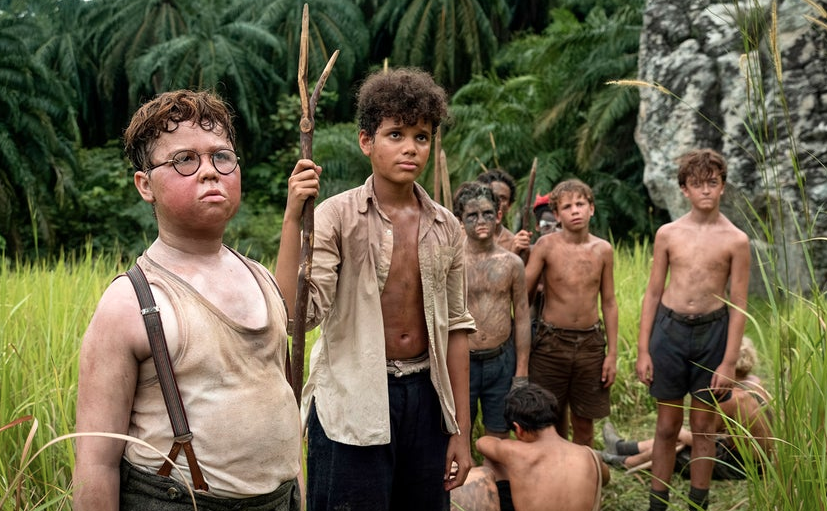
The recent Netflix adaptation of “Lord of the Flies” has captivated audiences with its chilling portrayal of human nature and society’s fragility. This new series, skillfully adapted from William Golding’s seminal 1954 novel, brings to life the harrowing tale of boys stranded on an isolated tropical island, stripped of adult oversight. As they descend into chaos, the show explores themes of civilization versus savagery, making it a compelling choice for fans of thought-provoking TV shows based on novels. Through the stellar performances of its young cast, this Netflix adaptation invites viewers into a world where innocence is shattered, offering a fresh perspective reminiscent of previous William Golding adaptations. Critics have praised this latest rendition, emphasizing how it resonates with contemporary issues while remaining true to its literary roots, further establishing its place among notable Netflix adaptations.
Netflix’s latest miniseries is a modern retelling of the classic tale initially penned by William Golding, presenting a compelling narrative that examines the dark side of human nature. This interpretation of the iconic story, known for its unsettling depiction of young boys isolated from civilization, compellingly captures the essence of survival and the inherent brutality that can emerge. As part of the growing trend of TV shows based on novels, this adaptation crafts a vivid portrayal that stays true to the original themes while infusing it with relevant societal commentary. With the exceptional performances of its youthful ensemble cast, this adaptation ensures that audiences are not only entertained but also prompted to reflect on the nature of humanity itself. As the series unfolds, viewers are drawn into a gripping exploration of innocence lost, making it a significant entry in the catalog of William Golding adaptations.
Revisiting the Dark Themes of Golding’s Classic in the Netflix Adaptation
The Netflix adaptation of ‘Lord of the Flies’ remarkably captures the haunting themes of William Golding’s original novel, showcasing the harrowing descent into chaos and savagery. By maintaining the War II backdrop and the core narratives of the boys stranded on a deserted island, this adaptation stays true to the chilling essence of Golding’s cautionary tale. As viewers, we witness the fragility of civilization unravel under the weight of primal instincts—a theme that resonates profoundly in our current societal climate.
Jack Thorne’s adaptation doesn’t shy away from exploring the psychological horror rooted in Golding’s allegory. The characters, beautifully brought to life by a talented young cast, are not merely caricatures of innocence lost; they embody the complexities of humanity, revealing our vulnerabilities and the darkness that can emerge in the absence of societal order. This critical examination of character dynamics serves as a poignant reminder of the balance between civilization and savagery, an exploration that remains relevant through decades of effort to understand human nature.
A Stellar Young Cast Brings to Life the Struggles of Childhood
One of the striking elements of the Netflix adaptation of ‘Lord of the Flies’ is the outstanding performances delivered by the young cast. Each actor embodies their respective role with a sincerity that enhances the emotional depth of the narrative. David McKenna shines as Piggy, portraying vulnerability in the face of oppression, while Lox Pratt captures Jack’s transformation into a tyrannical leader. Their performances not only anchor the story but also elevate the tension, making the audience invested in their fates as the narrative unfolds.
The intertwining of youthful innocence with the brutal themes of the story creates a juxtaposition that intensifies the viewing experience. This is particularly effective in showcasing the struggle between the inherent goodness and the darker impulses of these boys. As viewers, we witness the characters’ struggles and changes, cultivating empathy even for those like Jack, who embodies aggression and dominance. The adaptation’s focus on the allies and adversities faced by the boys highlights the raw reality of childhood, making it a gripping exploration of growth, survival, and the loss of innocence.
Production Choices That Enhance the Viewer Experience
Directed by Marc Munden, the Netflix series uses innovative cinematography to immerse viewers in the chaotic atmosphere of the island. Filmed on location in Malaysia, the vibrant yet eerie landscape plays a crucial role in the narrative; the lush greenery juxtaposed against the characters’ deteriorating morality creates a compelling visual backdrop. Munden successfully intensifies the claustrophobic feelings of paranoia and fear, capturing the essence of isolation that Golding intended, allowing audiences to feel the palpable tension of the impending doom.
Moreover, the stylistic choices made during production serve to amplify the themes of the story beyond mere dialogue. Elements like the unsettling imagery of nature transforming into nightmarish landscapes not only make a visual statement but also invoke emotive responses from the audience. The surreal representations of childhood fears, coupled with the allegorical weight of the narrative, culminate in an experience that mirrors the horrors of human instinct in the face of desperation. The adaptation’s success lies in these artistic choices that rejuvenate Golding’s timeless themes while adhering closely to the original story.
Comparisons to Other Netflix Adaptations
In the realm of Netflix adaptations, ‘Lord of the Flies’ stands out as a gripping interpretation of classic literature. Its commitment to the source material, juxtaposed with contemporary perspectives on childhood and masculinity, invites comparisons to other recent adaptations that have strayed from their origins. Shows like ‘The Haunting of Hill House’ and ’13 Reasons Why’ have successfully adapted literary works while addressing current societal issues—something that ‘Lord of the Flies’ accomplishes with a deft touch.
While drawing parallels to other Netflix adaptations, it’s evident that the nuanced performances and the raw portrayal of emotional strife in ‘Lord of the Flies’ set it apart. The series doesn’t merely rely on the prestige of Golding’s work; instead, it innovatively contextualizes the narrative for today’s audience. By retaining the novel’s themes while entwining them with relatable character backstories, the series enriches the viewing experience, much like how successful adaptations have breathed new life into their respective source material.
Understanding the Legacy of Golding’s Allegory Through This Adaptation
The adaptation of ‘Lord of the Flies’ invites viewers to reflect on the timeless aspects of Golding’s allegory, probing the underlying moral questions about society and human nature. It showcases the power dynamics and group behaviors that emerge in extreme circumstances, thereby revealing the unsettling truths about civilization’s veneer. As audiences engage with this adaptation, they are prompted to confront their own perceptions of order and chaos within society—tying back to the original themes that Golding envisioned.
The exploration of concepts such as innocence versus savagery, and the strong criticism of social structures, resonates strongly today, reinforcing the tale’s relevance. As viewers watch the boys struggle with their moral dilemmas, they become witnesses to the vibrant allegories that Golding presented decades ago, suggesting that the battle between civility and brutality is a constant in the human experience. Through this adaptation, Golding’s legacy lives on, providing both a harrowing commentary on society and a profound empathy for the innocent.
Character Development and Its Impact on Audience Connection
The deeper character development seen in Netflix’s ‘Lord of the Flies’ adds new dimensions to the original story, making it resonate more profoundly with contemporary audiences. Unlike the novel, where some characters were more archetypal, this adaptation provides rich backstories that allow viewers to connect on a more personal level with each boy. The struggles faced by Piggy, Simon, Jack, and Ralph are fleshed out, inviting the audience to view these characters as more than just symbols, but as real children coping with extraordinary situations.
This focus on individual narratives enables viewers to empathize with the characters’ conflicts and traumas. As Jack descends into tyranny and Ralph grapples with his leadership role, audiences can see reflections of real-life struggles and personal growth in their arcs. This character-driven approach not only enhances engagement with the story but also prompts discussions on morality, leadership, and the very fabric of friendship among youth, making the series a compelling watch that extends beyond mere entertainment.
The Power of Isolation in Shaping Human Behavior
A central theme in ‘Lord of the Flies’ is the impact of isolation on human behavior, brilliantly emphasized in the Netflix adaptation. The boys’ physical detachment from civilization serves as a microcosm for exploring primal instincts, raising questions about nature versus nurture. The adaptation visually captures the psychological deterioration that such an environment can foster, effectively allowing audiences to experience the horror alongside the characters as they navigate fear, power struggles, and a crumbling society.
The portrayal of isolation in the adaptation elicits a profound sense of dread, tapping into shared fears of abandonment and chaos. As the boys become increasingly consumed by their desperate circumstances, viewers witness the gradual collapse of their moral compasses, raising awareness about the psychological effects of extreme environments. This exploration serves as a chilling reminder of how easily societal constructs can disintegrate in the face of adversity, a theme that continues to resonate across cultures and eras.
Cultural Commentary Embedded in the Narrative
The Netflix adaptation of ‘Lord of the Flies’ offers a nuanced cultural commentary that is woven throughout the narrative. By focusing on the boys’ interactions and the gradual breakdown of their makeshift society, the adaptation critiques not only the inherent flaws of human nature but also the underlying ideologies that dictate group behavior. As the boys confront their darkest impulses in a bid for survival, the adaptation prompts reflection on broader societal paradigms, exploring themes of authority, competition, and the human condition.
Furthermore, this cultural lens allows the adaptation to resonate with a diverse audience, as it touches upon issues of power and morality that transcend individual experiences. The depiction of the boys’ descent into savagery serves as an allegory for contemporary societal conflicts, challenging viewers to engage critically with the story’s implications about governance, ethics, and communal responsibility. Through its rich narrative and character arcs, the adaptation presents a mirror to society, evoking urgent discussions relevant to our times.
Critical Reception and Perspectives on Classic Literature
The reception of Netflix’s ‘Lord of the Flies’ adaptation has highlighted the ongoing interest in classic literature and its adaptability in modern contexts. Critics have praised the show’s commitment to preserving the thematic essence of Golding’s work while successfully reinterpreting it for today’s audience. This balance of fidelity and innovation has sparked fresh dialogues around how classic narratives can remain vital and relevant, prompting viewers to engage with literature in a space that feels familiar yet urgent.
As critics provide reviews of this adaptation, there’s a broader conversation about the need for meaningful adaptations of classic texts in the era of streaming content. Netflix has paved the way for such adaptations to flourish, reflecting societal shifts and altering perceptions of traditional narratives. Drawing from the cultural conversations surrounding Golding’s themes—like the conflict between order and chaos—the adaptation serves to engage a new generation of viewers, positioning classic literature at the forefront of modern discussions.
What are the key differences in the Lord of the Flies Netflix adaptation compared to the original novel?
he Lord of the Flies Netflix adaptation, adapted by Jack Thorne, stays true to William Golding’s original narrative without modernizing or gender-swapping the characters. Unlike some Netflix adaptations, this series retains its World War II backdrop and explores the boys’ home lives to give context to their actions on the island. Its four-episode format allows for a deeper character exploration, while maintaining the core themes of civilization versus savagery.
| Key Points | Details |
|---|---|
| Adaptation Overview | Netflix’s ‘Lord of the Flies’ is a four-episode adaptation from William Golding’s novel, maintaining its allegory about civilization versus savagery. |
| Creative Team | Directed by Marc Munden with screenplay by Jack Thorne. |
| Setting | The series retains the World War II backdrop and is filmed on location in Malaysia. |
| Cast Performance | Features a strong young cast, including David McKenna and Lox Pratt, providing compelling portrayals of the characters. |
| Visual Style | Emphasizes hallucinatory effects of isolation with vivid color saturation to enhance the emotional impact. |
| Themes | Explores themes of survival, human nature, and societal breakdown, keeping the original story intact. |
Summary
The Lord of the Flies Netflix adaptation delivers a powerful and haunting experience that stays true to Golding’s original vision. It captivates viewers with its stellar young cast, portraying the stark contrasts between civilization and the primal instincts that arise in the absence of adult supervision. As the boys navigate their isolation on a remote island, the narrative unfolds in a gripping manner, highlighting their descent into savagery. The show’s impressive production values and chilling visual storytelling accentuate the emotional weight of the characters’ journeys, making this adaptation not just a retelling but an urgent exploration of humanity’s darker side. Ultimately, the Lord of the Flies Netflix adaptation is both a timeless tale and a poignant reminder of the thin veneer that separates order from chaos.

The Pop Blog general news and updates, mostly from press releases and conferences.