
In the history of global cinema, certain cities are inseparable from the stories told within them. New York has the neurosis of Woody Allen; Tokyo has the neon-soaked isolation of Sofia Coppola; Hong Kong has the pining romance of Wong Kar-wai.
But in the last decade, a new protagonist has emerged in Southeast Asian cinema: Manila. No longer just a backdrop for gritty “poverty porn” or slapstick comedies, the Philippine capital has been reimagined by a new wave of indie filmmakers. This movement has birthed a specific aesthetic and emotional tone that critics and fans are calling “Urban Melancholy.” It is a feeling of being lonely in a crowd of thirteen million, of finding beauty in the decay, and of the crushing weight of a city that never stops, even when you do.
The Shift from “Grit” to “Mood”
For years, the international image of Manila on screen was defined by the “Social Realism” of the 1970s and 80s. Directors like Lino Brocka and Ishmael Bernal used the city to highlight the struggle of the oppressed. While those films are masterpieces, modern indie directors are pivoting toward something more internal.
In today’s indie landscape, Manila is less about the “struggle” and more about the “vibe.” We see this in the works of directors like Antoinette Jadaone and Mikhail Red. The city is no longer just a place where characters live; it is a character that actively influences their mental state. The sprawling flyovers of EDSA, the cramped MRT stations, and the neon-lit convenience stores at 3:00 AM are used to mirror the characters’ internal displacement.
The Architecture of Melancholy
What does “Urban Melancholy” actually look like? In Philippine indie cinema, it is built through three specific visual cues:
- The Blue-Hour Aesthetic: Many modern PH indies utilize the “blue hour,” that fleeting moment between sunset and night. In films like Never Not Love You, the sky over the Manila skyline is a bruised purple, reflecting the precarious nature of the protagonists’ young love.
- The Sound of Silence in the Noise: Paradoxically, these films often use the chaotic noise of Manila — the roar of jeepneys and the hum of air conditioners — to emphasize how silent and alone the main characters feel.
- The Transit Trope: Whether it’s the long commute in Fan Girl or the nocturnal wandering in Leonor Will Never Die, the “act of moving through the city” becomes a metaphor for the characters’ search for purpose.
“Manila is a heartbreaker. It’s a city that promises everything but often leaves you with nothing but a beautiful view of a smog-filled sunset.”
Key Films Defining the Movement
If you want to understand the soul of modern Manila, these films are essential viewing. They capture the city not just as a location, but as an emotional experience:
- Metro Manila (2013) – Dir. Sean Ellis: Though directed by a British filmmaker, this movie captured the “gravity” of the city. It follows a family from the province as they are slowly swallowed by the urban machine. It’s the bridge between old-school social realism and modern urban dread.
- Never Not Love You (2018) – Dir. Antoinette Jadaone: Perhaps the ultimate “Urban Melancholy” film. It captures the frantic energy of Makati and the quiet, desperate longing of a couple whose ambitions are outgrowing their surroundings.
- Fan Girl (2020) – Dir. Antoinette Jadaone: This film uses the contrast between a gritty, suburban Manila and the gilded, fake world of celebrity to create a sense of deep unease. It’s a dark love letter to the city’s hidden corners.
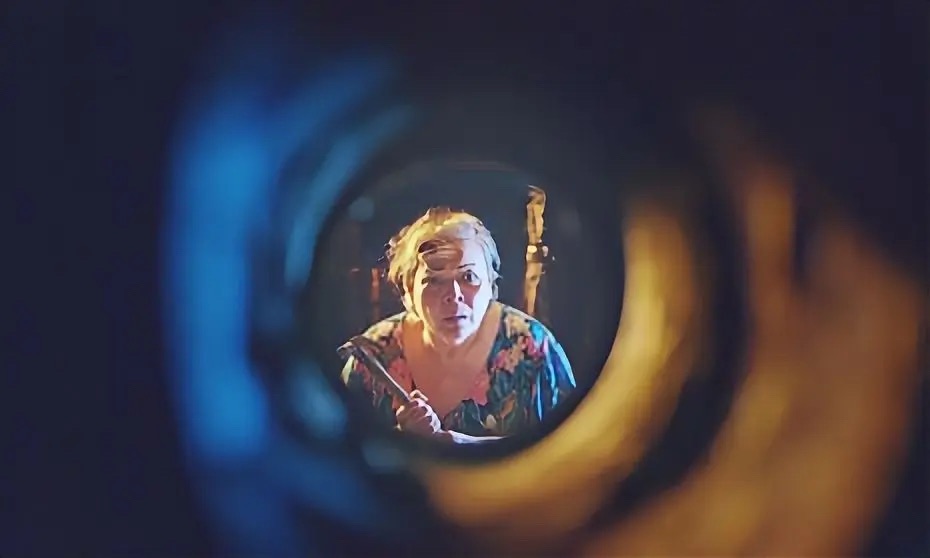
- Leonor Will Never Die (2022) – Dir. Martika Ramirez Escobar: A surrealist masterpiece that blends the nostalgia of old Filipino action movies with the modern, chaotic reality of a grandmother navigating the streets of Manila. It shows the city as a place of dreams and hallucinations.
Why Modern Audiences Crave the “Sad City”
Why has this aesthetic become so popular globally? Because “Urban Melancholy” is universal.
As the world becomes more urbanized, the “Manila Experience,” the feeling of being a small cog in a massive, beautiful, crumbling machine resonates with anyone living in London, Mexico City, or Jakarta.
Filipino indie filmmakers have stopped trying to make Manila look like a postcard. Instead, they are showing it as it is: a place of extreme contrast, where a luxury skyscraper sits next to a makeshift home, and where a neon sign can be the most beautiful thing you see all day.
The Future of Manila on Screen
The rise of Urban Melancholy marks a maturity in Philippine cinema. We are moving away from telling stories about the city and starting to tell stories through the city.
As long as the traffic on EDSA remains at a standstill and the neon lights of Poblacion continue to flicker, filmmakers will find inspiration in the sadness and beauty of Manila. It is a city that breaks your heart, but as these films prove, there is something profoundly cinematic about a broken heart under the Manila sky.
RJ Tantoco is a writer and researcher with a passion for all things strange, geeky, and genre-bending. Whether it’s horror slashers, offbeat indie gems, or the latest multiverse mind-bender, RJ dives deep. His writing blends fandom with sharp analysis, offering fresh takes on cult favorites and cinematic oddities alike. When he’s not watching movies, he’s probably studying for his masters or deep on an RPG quest.