
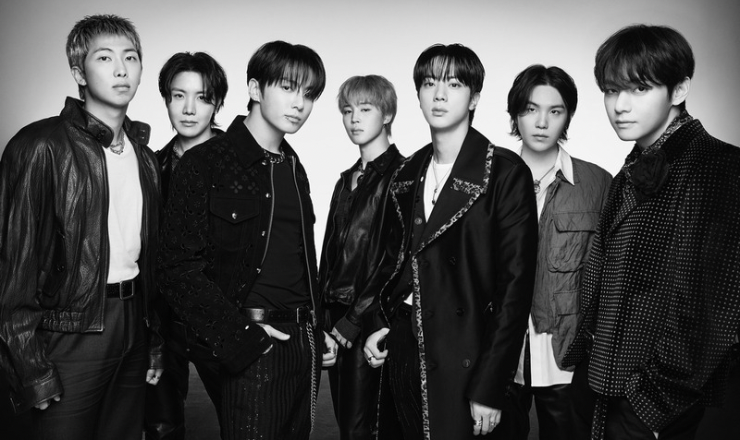
If you expected BTS to return from their four-year hiatus with a polished collection of radio-ready synth-pop, ARIRANG will come as a shock to your system.
Prior to the release of ARIRANG, the BTS gentlemen each released their solo albums, highlighting their growth as idols and musicians in their own right. These solo tracks showcased their evolution from the pop and hip-hop sound they were known for, then a more Westernized synth-pop style, to experimenting with new musical directions in each of their solo releases. As a diverse music lover, I marveled at how each of them chose their solo tracks. Special mention how J-Hope pushed K-pop’s boundaries through his Jack in the Box album.
Indeed, the seven members took advantage of having a loyal fanbase to create a sound that is uniquely their own, resisting any pressures from pop music trends or what their fans would like. Given this strong foundation, it seems unlikely that they would easily return to their pop-infused style. Therefore, I wasn’t surprised by the direction of their ARIRANG album.
ARIRANG is a true-blue, full-on sonic and defiant showcase; one moment you’re listening to a contemporary hip-hop track, then an electro post-rock-infused song the next.
The album is executive produced by hitmaker Diplo, who leads a production team that bridges BTS’s past with its high-concept, almost avant-garde future. Despite all that experimentation, the group’s longtime architect Pdogg ensured that the album didn’t lose its “core” sound, albeit only a little fraction was left.
The album also enlisted trap modernist Mike WiLL Made-It and a cohort of unorthodox texturalists like El Guincho and Flume. More eclectic contributions came from the rap-fringe grit JPEGMAFIA and Teezo Touchdown to the psych-rock hazy layers of Kevin Parker of Tame Impala and Artemas. The album then is balanced via the polished pop of Ryan Tedder and Sean Foreman.
Now let’s do a little breakdown of each track.
Upon listening to ARIRANG, the orchestraic first track Body to Body introduced me to a sonic exploration of the old and new. The contemporary track is interwoven with Korean traditional instrumentation, making the song the foundational theme of ARIRANG, a term that’s profoundly embedded in the culture, history, and identity of Korean people. It’s the song that somehow stands out in the album’s otherwise Western-laced subversion.
The second track, Hooligan is another cutting-edge track, infusing shazka instrumentation with the vocal line’s (Jungkook, Jin, Jimin, and V) velvety vibratos and the gritty rap line’s (RM, J-Hope, and Suga) signature flair. It reminds me of underground French rap, specifically Odezenne’s dreamy, celestial album, OVNI, with its use of fairytale-like orchestration.
Aliens is one of the few tracks that did not deviate entirely from BTS’s usual sound. Apart from its traditional Korean atmosphere, each section of the track just screams a bit of the group’s darker, rap-heavy albums like Dark and Wild (2014). FYA is almost reminiscent of the old, dark BTS tracks, except for its EDM-trap vibes.
2.0 is another trap-induced track that is as simple as it can be, in a sense that it’s excessively devoid of melody.
No.29 is a one-minute, thirty-eight-second ambient track that begins with only one sound: the Divine Bell of King Seongdeok. The song is an interlude, acting as a transition before the album moves into more personal tracks.
Their single SWIM is a contemporary but melodic track, and it was apt for them to release it first. It doesn’t necessarily introduce fans to a daring feature album, but it does its job of creating a tuneful start for the first BTS comeback after four years. Merry Go Round and NORMAL do the same, being melodic tracks that ride the wave of modern music releases.
Like Animals seems to borrow its guitar-driven sensibilities from 90s alternative music, as well as Korean indie artists who have the same influences.
they don’t know about us is another trap-spawned contemporary track that is reminiscent of Post Malone, The Kid LAROI, and Juice WRLD.
One More Night and Please are R&B and chill-dance lounge-influenced tracks that will enamor people who crave polished and refined tracks.
The final track Into the Sun is another soul and R&B-infused track that suddenly turns post rock, reinforcing ARIRANG’s astonishing and erudite disposition.
ARIRANG has received mixed reviews, with some people expressing dissatisfaction over its heavy use of autotune. However, I believe the utilization of autotune is intentional and aligns with the contemporary hip-hop and trap-permeated sound, and not indicative of a lack of vocal ability among the BTS members.
Watch the video version of this review:
The only thing I found quite inconsistent in the album is that I thought there would be more traditional Korean soundscapes in the mix, or that the album would lean towards the distinct K-Pop sound in the early 2000s that had more emotional bridges and complex vocal layering especially since album title suggests the unique identity of being Korean. In the weeks leading up to its release, many content creators and fans were already discussing the significance of the word “Arirang,” and it is said that the whole album is intentionally designed as a celebration of BTS’s roots. However, the essence of ARIRANG does not adequately reflect this, as the album’s production is predominantly Westernized, save for two tracks (Body to Body and Aliens) which feature traditional instrumentation and a track that’s a little entrenched in Korean pop and rock music (Like Animals).
Just like each of the members’ solo projects, especially those of J-Hope and RM, which lean towards a more cerebral style, it’s evident that BTS aims to reach a different audience. I have been a fan of these guys since 2012, and I’ve noticed that some of the members have meticulous and music-conscious personalities, especially compared to other K-pop idols. It isn’t only reflected in how eclectic their music tastes are, but it is also evident in their fashion styles, and most importantly, in interviews where they talk about their craft.
In their early years, the group was also mocked in the industry for being mere idols. Suga and RM were particularly sensitive and conscious about this in the past, especially since they never wanted become idols in the first place. Both were part of the underground rap and hip-hop scene. Suga joined Big Hit Entertainment (now Hybe) to become a producer, and RM wanted to be in a rap group like Epik High or Leessang.
Hence, I actually expected BTS to go “underground” and subversive in their new releases.
I know that a lot of pop idols share the same mindset, it’s just that not everyone can create that certain identity. BTS is fortunate enough to have the privilege of being themselves with the kind of fanbase they have who are as loyal, and unconditionally love them, no matter what their music. I exaggerate, but what if they suddenly go death metal, I won’t be shocked if their ARMYs would still support them no matter what.
I’m pretty sure some ARMYs may not be very enthusiastic about every experimentation in BTS’s music; in fact, I personally know two fans who don’t particularly enjoy their latest album.
BTS has embraced the freedom to be able to pervade a new audience with ARIRANG, just as the members have done with their solo releases. And I like it that they are embracing that. They remain authentic to their core as heterogeneous music fans and musicians themselves.
I give big kudos to the “avant-garde” vibes of ARIRANG. It didn’t need to omit melodic-driven soul and pop sensibilities. I can hardly for what music they will come up with next.

NeP-C Ledesma is a millennial writer and entrepreneur full of curiosity about our abstract world. She devours Psychology, food, Philosophy, and prefer cats as her all-time company. Pop Culture is her kryptonite.