
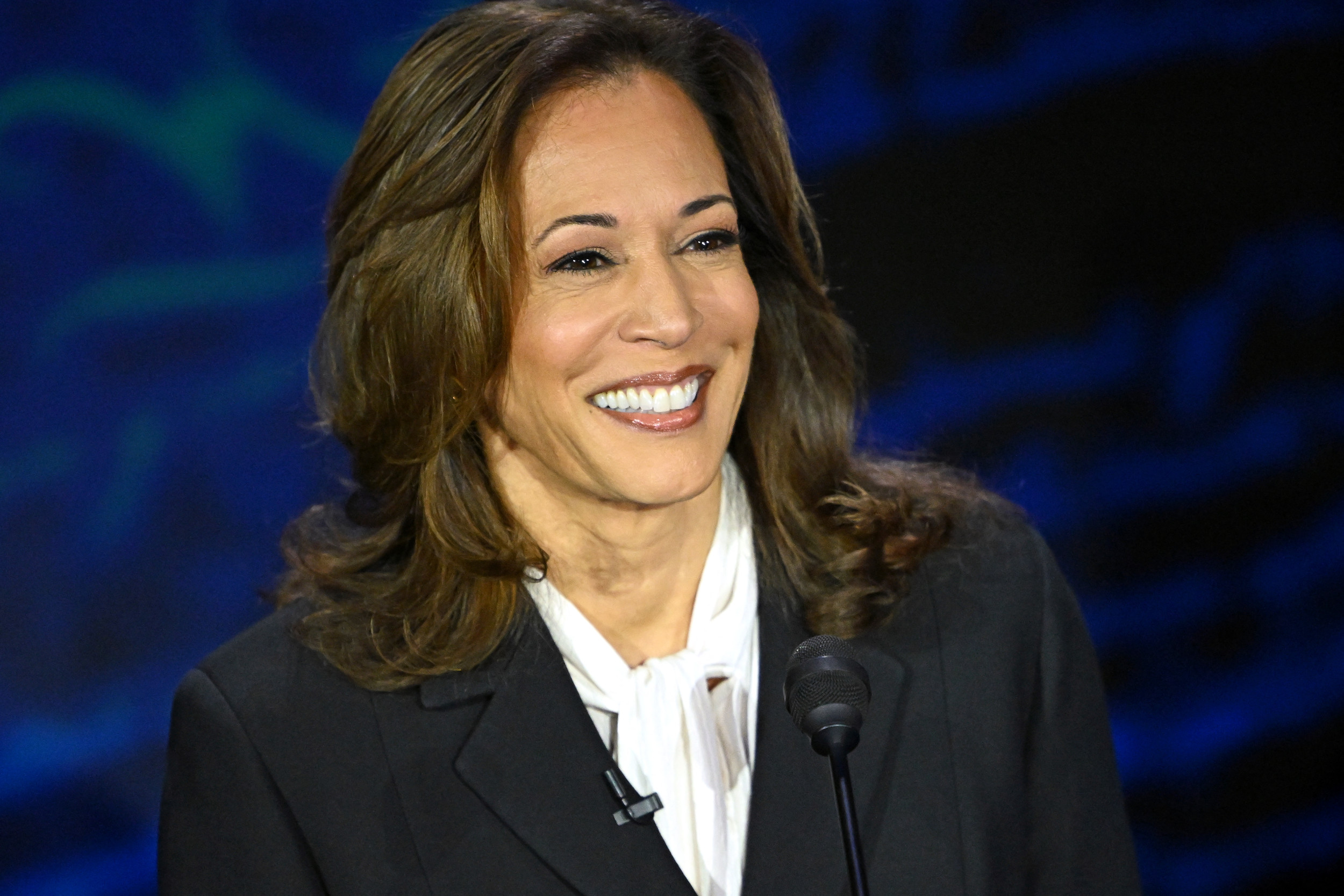
Kamala Harris has recently made headlines following her appearance on “The Late Show with Stephen Colbert,” where she discussed her forthcoming memoir, “107 Days.” This book is particularly significant as it delves into her insights and experiences leading up to the 2024 presidential election. During the interview, Harris addressed the controversial cancellation of the CBS Late Show, asserting her commitment to political engagement despite the turmoil in the system. As she articulated her political stance, Harris emphasized the need for democracy to be robust and reflective of the people’s concerns, challenging the structural inadequacies she perceives. The discussion on national television not only sheds light on her personal journey but also sets the stage for her continued involvement in shaping political discourse as the nation heads into the pivotal elections.
In the wake of her latest television appearance, the spotlight on Kamala Harris has intensified, particularly with the announcement of her memoir. This narrative captures pivotal moments leading up to the upcoming 2024 election, illustrating her unique perspective on contemporary politics. Harris’s frank remarks on the show’s controversial cancellation by CBS reveal her stance on the fragility of democracy and the political landscape. With a focus on engagement rather than transactional politics, she aims to connect with citizens on a deeper level. As we navigate this politically charged atmosphere, Harris remains a crucial figure, representing a voice for change and resilience.
Kamala Harris’s Political Aspirations Ahead of the 2024 Presidential Election
Kamala Harris, during her appearance on “The Late Show with Stephen Colbert,” addressed her decision regarding future political roles, emphasizing her commitment to the current election landscape. By announcing her memoir, “107 Days,” she’s set to reflect on her experiences leading up to the 2024 presidential election, highlighting the fragility of democracy and her determination to engage with voters on a meaningful level. Harris’s political stance is clear: she believes in the necessity for a stronger democracy and a rejuvenated political system that actively listens and responds to its citizens.
In her discussion with Colbert, Harris reiterated that while she is stepping away from seeking the governorship of California, her fight for a better political system continues. She explicitly stated, ‘I don’t want to go back into the system. I think it’s broken,’ which resonates with many voters who feel disillusioned by the political establishment. This bold statement aligns with her goal of prioritizing community engagement and addressing the real issues constituents face, rather than merely seeking votes in a transactional manner.
The CBS Late Show Controversy and Its Impact on Late-Night Television
The sudden cancellation of “The Late Show with Stephen Colbert” by CBS has sparked significant controversy and discussions about the motives behind this decision. Critics argue that the termination of such a long-running show is not just about finances as CBS claimed, but also indicative of political maneuvering related to Donald Trump and a controversial $16 million payment to settle a lawsuit over Harris’s interview. This situation raises questions about the integrity of late-night television and whether it can remain a platform for political discourse without being affected by corporate interests.
Colbert’s response to the cancellation has also captured public attention, particularly when he addressed feelings of disappointment and anxiety surrounding the show’s ending. In a world where late-night shows serve not only entertainment but also criticism of political figures, the abrupt cancellation could represent a troubling trend for the industry. Colbert’s humorous take on the situation, along with the support he received from fellow hosts and entertainers, emphasizes the tight-knit community within late-night television that is now facing unprecedented challenges.
Insights from Kamala Harris’s Upcoming Memoir: A Journey Through Politics
Kamala Harris’s forthcoming memoir, “107 Days,” promises to offer an introspective look at her political journey particularly as it relates to the 2024 presidential election. The memoir is expected to delve into not only her personal experiences but also the broader context of the current political climate, providing insights into how she views her role in advocating for a stronger democracy. With her political stance firmly rooted in the belief that ‘the systems should be strong enough to uphold our most fundamental principles,’ Harris aims to inspire a new generation of voters to engage proactively.
In promoting her memoir on “The Late Show with Stephen Colbert,” Harris cited her aim to travel and listen to the voices of people across the country. This personal engagement is a refreshing contrast to traditional campaigning, where direct interaction is often sidelined. Harris’s strategy exemplifies a shift in political communication, wherein the focus is on honesty and transparency, rather than just winning votes. Her memoir is set to be a guiding light for those interested in understanding the complexities of her political journey and the current state of American democracy.
The Role of Late-Night Shows in Political Discourse: A Changing Landscape
Late-night television has long been a forum for political commentary, humor, and critique, influencing public perception of politicians and their policies. Shows like “The Late Show with Stephen Colbert” have provided a platform for discussions that extend beyond entertainment, serving as a reflection of the political pulse of the nation. The recent controversies surrounding CBS’s cancellation of Colbert’s show highlight vulnerabilities within this landscape, raising concerns about the potential loss of such platforms for political engagement as viewership trends shift.
As audiences increasingly turn to digital platforms for news and entertainment, the relevance of traditional late-night shows faces significant questions. Colbert’s emphasis on affecting viewers’ moods and fostering discussions about critical issues signifies the potential of these platforms to transcend mere comedy. However, the notion that financial and corporate politics might dictate content raises alarms about the long-term viability of political discourse in this format, challenging future hosts to navigate these dynamics while remaining relevant.
The Importance of Community Engagement in Kamala Harris’s Vision
Kamala Harris has emphasized the significance of community engagement in her approach to politics, particularly as she ponders her future roles and aspirations. During her recent interview, she articulated the importance of listening to constituents and building relationships that are rooted in sincerity rather than transactional politics. This grassroots approach aligns with the needs of voters who often feel marginalized by the political system, underscoring Harris’s commitment to reform and revitalization of democracy.
Harris’s focus on engaging with citizens across different demographics illustrates her understanding of the diverse challenges faced by communities today. Her plan to travel the country to foster conversations signals a departure from traditional campaigning, where the focus is on rallying votes instead of truly understanding the electorate’s needs. By listening and engaging authentically, Harris aims to create a more inclusive political dialogue, ultimately strengthening the fabric of American democracy.
Kamala Harris’s Stance on Political Reform and Governance
As a prominent figure in American politics, Kamala Harris has never shied away from advocating for governance reform. She articulates a clear belief that the political system, as it currently stands, is not adequately serving the democracy it was designed to uphold. Her remarks during her late-night appearance reflect a critical examination of the system’s robustness, seeking substantial change that resonates with many voters who share her sentiments about the current political landscape.
Harris’s political stance does not merely dwell on criticisms; it also emphasizes actionable steps forward, illustrating her proactive approach to finding solutions. Whether through her memoir or public engagements, she continues to challenge the status quo and inspire an urgent call for reforms that align with the democratic values she holds dear. This dedication to improving governance speaks directly to her vision for a more equitable society, making her a unique voice in the lead-up to the 2024 presidential election.
Critiques and Support Surrounding CBS’s Decision to Cancel ‘The Late Show’
The cancellation of “The Late Show with Stephen Colbert” by CBS has ignited a wave of critiques and expressions of support from various quarters, including celebrities and fellow late-night hosts. Many see this decision as not just financial but reflective of deeper political motives potentially aimed at appeasing powerful figures like Donald Trump. This has led to intense discussions about censorship, media integrity, and the role of late-night shows in questioning authority and providing a space for political critique.
Colbert’s comedic responses highlight a dual narrative about loss and resilience in the entertainment industry. While some see the end of a beloved show as a tragedy for late-night television, others view it as an opportunity for reflection on the evolution of media in influencing political narratives. The show’s cancellation may serve as a rallying point for discussions about how corporate interests shape media landscapes, which in turn can impact public discourse and democratic engagement.
Reflections from Stephen Colbert: A Late-Night Host’s Perspective on Politics
Stephen Colbert has used his platform not only for humor but also to comment on significant political issues, making him a critical voice in the late-night arena. Following the cancellation of his show, Colbert’s reflections on the role of entertainment in shaping political narratives underscore the responsibilities that come with such visibility. His remarks—both humorous and poignant—indicate a dedication to ensuring that comedy can still be a form of political commentary, even amidst uncertain future prospects.
Colbert’s ability to pivot between light-hearted jest and serious political critique defines his brand; he recognized that the audience’s expectations include both an escape from reality and insightful commentary on it. He has articulated a desire not to make viewers feel anxious but rather hopeful and engaged, towards the end of his tenure. The intersection of entertainment and political philosophy that Colbert exemplifies may influence how future hosts approach the complicated relationship between humor and social issues in their programming.
The Future of Late-Night Political Commentary
With changes in viewership patterns and the challenges faced by traditional broadcasting, the future of late-night political commentary is more uncertain than ever. Shows like “The Late Show with Stephen Colbert” have laid foundations for blending humor with political activism, yet the recent controversies may reshape how these platforms present their narratives. The necessity for late-night hosts to evolve and adapt their structures to remain effective commentators on political affairs remains paramount as audiences increasingly demand fresh perspectives.
Emerging trends point towards an even more intertwined relationship between digital content creators and traditional broadcasters, leading to potential collaborations that could amplify political discussions. As comedians and commentators become more involved in political activism, the landscape will likely continue to shift, challenging hosts to innovate their approach toward engagement. The ongoing evolution of platforms could either hinder or enhance the role of humor in political discourse, significantly influencing how future generations perceive and interact with politics.
Frequently Asked Questions
What insights does Kamala Harris share in her memoir, ‘107 Days’?
In her memoir ‘107 Days,’ Kamala Harris reflects on her experiences and insights leading up to the 2024 presidential election. Harris discusses the fragility of democracy, the need for strong systems to uphold fundamental principles, and her commitment to engaging with people across the country.
Did Kamala Harris address her political stance during her appearance on ‘The Late Show with Stephen Colbert’?
Yes, during her appearance on ‘The Late Show with Stephen Colbert,’ Kamala Harris discussed her political stance, emphasizing her belief that the political system is broken. She clarified her intentions to remain involved in the fight for democracy without returning to a transactional approach in politics.
What was the controversy surrounding CBS and ‘The Late Show’ during Kamala Harris’s interview?
The controversy involved CBS’s decision to cancel ‘The Late Show,’ a choice perceived by some as politically motivated following the $16 million settlement paid to Donald Trump. This decision came shortly before Kamala Harris’s interview, raising questions about the implications for late-night political commentary.
How does Kamala Harris plan to engage with the public as she prepares for future political endeavors?
Kamala Harris plans to travel across the country to listen to and engage with citizens. She aims to foster genuine conversations rather than transactional interactions, emphasizing the importance of connecting with people as a cornerstone of her political strategy.
What does Kamala Harris mean by saying, ‘I don’t want to go back into the system’?
When Kamala Harris states, ‘I don’t want to go back into the system,’ she refers to her reluctance to return to traditional political roles such as governor, as she believes the political system is currently inadequate. Instead, she focuses on grassroots engagement and reforming the system from outside conventional roles.
How has the cancellation of ‘The Late Show’ affected Kamala Harris’s media presence?
The cancellation of ‘The Late Show’ raises concerns about Kamala Harris’s media presence, as it was a platform for her to discuss important issues leading up to the 2024 presidential election. The controversy surrounding its cancellation may impact how politicians engage in late-night discussions.
What role does humor play in Kamala Harris’s political messaging, particularly during her late-night appearances?
Humor is integral to Kamala Harris’s political messaging, as demonstrated during her late-night appearances. By using light-hearted moments to engage with audiences, she aims to connect on a human level while addressing serious political issues.
What reactions did ‘The Late Show’ cancellation provoke from other late-night hosts related to Kamala Harris?
The cancellation of ‘The Late Show’ provoked reactions from other late-night hosts, with many expressing solidarity with Stephen Colbert and criticizing CBS’s decision. This reflects a broader concern among comedians and political commentators regarding the implications for political discourse in media.
| Key Point | Details |
|---|---|
| Kamala Harris’ New Memoir | The memoir titled ‘107 Days’ focuses on the upcoming 2024 presidential election. |
| Decision About Governor’s Race | Harris clarified she does not desire to return to the political system, viewing it as broken. |
| Democracy and Political Engagement | Harris emphasized the importance of strong democratic systems and plans to engage with people across the country. |
| Colbert’s Show Cancellation | CBS’s cancellation of ‘The Late Show’ has been criticized as politically motivated, especially following a financial settlement involving Donald Trump. |
| Colbert’s Responses | Colbert aims to uplift spirits despite the show’s cancellation, incorporating music and humor in response to audience concerns. |
| Support from Celebrities | Many late-night hosts and celebrities expressed support for Colbert following the cancellation. |
Summary
Kamala Harris continues to play a significant role in the political landscape as she prepares to release her memoir, ‘107 Days.’ In her recent appearance on ‘The Late Show with Stephen Colbert,’ she expressed concerns about the current political system and affirmed her commitment to fighting for robust democratic values. The cancellation of Colbert’s show has sparked considerable debate about the motivations behind CBS’s decision, drawing attention to the intersection of media, politics, and public sentiment. Harris’s emphasis on connecting with people and fighting for democracy underscores her ongoing relevance in American politics as she navigates the complexities of the upcoming presidential race.
Introducing Autowp, the ultimate AI content generator and AI content creator plugin for WordPress! With Autowp, you can effortlessly create high-quality, engaging content for your website, saving you time and boosting your SEO efforts. Designed to meet the diverse needs of bloggers, marketers, and businesses, this powerful tool harnesses the latest advancements in AI to help you generate unique articles, product descriptions, and more with just a few clicks. Transform your WordPress site with Autowp and watch your content thrive!
To remove this promotional paragraph, upgrade to Autowp Premium membership.

The Pop Blog general news and updates, mostly from press releases and conferences.