
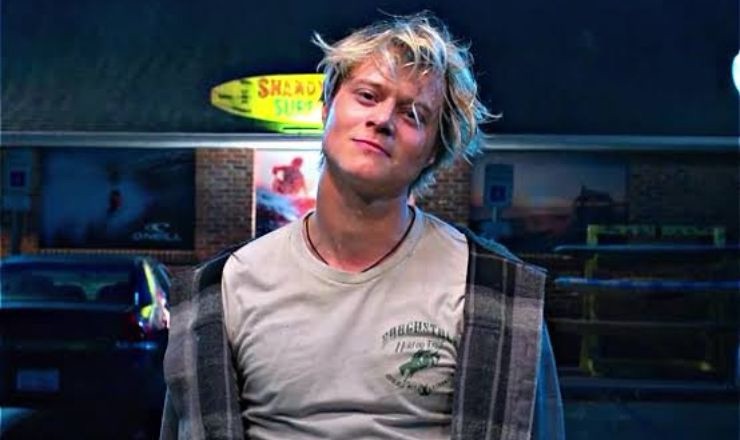
The recent demise of Rudy Pankow’s beloved character, JJ Maybank, in the penultimate season of Netflix’s “Outer Banks” has sent shockwaves through the show’s dedicated fanbase. According to an article by Aaron Perine of SlashFilm, the decision to kill off one of the series’ most likable protagonists was a deliberate “big swing” by the creators, aimed at eliciting a visceral reaction and setting the stage for an explosive final season.
Perine highlights that JJ Maybank, the “beating heart” of the Pogue group, was an integral part of “The Outer Banks'” appeal. His death at the end of Season 4, where he nobly sacrifices himself to save his love interest Kiara from mercenaries, was a gut-wrenching moment for viewers. The creators, Josh Pate, Jonas Pate, and Shannon Burke, confirmed to TUDUM that this shocking twist was always part of their plan once they knew Season 5 would be the show’s last. They emphasized that while it was a difficult choice, it was a “necessary piece of the architecture for the story,” designed to pave the way for a “story of redemption” and honor the spirit of friendship JJ embodied.
The article also touches upon Netflix’s well-known trend of canceling original content after only a couple of seasons. “The Outer Banks” has defied this pattern, and Perine suggests that drastic measures, such as a high-profile character death, are often employed to maintain audience engagement and prevent a show from fading into obscurity. The creators’ willingness to make such a bold move, akin to the infamous death of Eddie Munson in “Stranger Things,” is a testament to their commitment to delivering a memorable conclusion.
On JJ’s Sacrifice
From an analytical standpoint, the decision to kill off JJ Maybank, while undoubtedly painful for fans, can be viewed through several lenses that extend beyond the immediate shock value.
Firstly, the narrative impact is undeniable. JJ’s death elevates the stakes for the final season to an unprecedented level. The Pogues, already a tight-knit group, are now bound by shared grief and a renewed sense of purpose. This loss can serve as a powerful catalyst for character development, pushing the remaining characters to confront their vulnerabilities, strengthen their bonds, and potentially embark on a path of revenge or deeper self-discovery. The promised “story of redemption” likely revolves around honoring JJ’s sacrifice and achieving the “big score” he so desperately sought for a better future.
Secondly, it’s a calculated risk for the show’s legacy. In an era of content saturation, shows that take bold narrative risks often stand out. While some fans might initially be alienated by such a drastic turn, the emotional resonance of JJ’s sacrifice could solidify “The Outer Banks'” place in pop culture as a series unafraid to make tough choices for the sake of its story. This move ensures that the final season won’t simply be a comfortable wrapping-up, but rather an emotionally charged culmination that leaves a lasting impression.
However, there’s also a potential downside to such a move. While Perine notes the lack of hard feelings between Pankow and the creators, and the touching goodbyes from the cast, the departure of a charismatic and popular actor like Rudy Pankow is a loss for the series. Pankow’s portrayal of JJ brought a unique blend of humor, vulnerability, and loyalty that was integral to the show’s dynamic. Replacing that energy or mitigating its absence will be a significant challenge for the writers in Season 5.
Furthermore, while the “shocking death” trope is effective, as Perine mentions, its overuse can sometimes feel manipulative. The success of this particular “big swing” will ultimately depend on how authentically and meaningfully JJ’s death is integrated into the final season’s plot. If his sacrifice merely serves as a plot device without genuine emotional follow-through or impactful consequences, it risks alienating a portion of the fanbase who invested deeply in his character.
In conclusion, Rudy Pankow’s departure as JJ Maybank from “The Outer Banks” is a stark reminder that even the most beloved characters are not immune to the demands of storytelling. As Aaron Perine rightly points out, it was a deliberate and calculated decision by the creators to inject high-stakes drama into the series’ final act. While the emotional fallout for fans is considerable, this “noble sacrifice” sets the stage for what promises to be a gripping and emotionally charged conclusion to the Pogues’ journey. The ultimate test will be whether the creators can truly honor JJ’s legacy and deliver a finale that justifies such a heartbreaking, yet impactful, decision.

RJ Tantoco is a writer and researcher with a passion for all things strange, geeky, and genre-bending. Whether it’s horror slashers, offbeat indie gems, or the latest multiverse mind-bender, RJ dives deep. His writing blends fandom with sharp analysis, offering fresh takes on cult favorites and cinematic oddities alike. When he’s not watching movies, he’s probably studying for his masters or deep on an RPG quest.